Ask ten safari guides when to visit the Serengeti and you will get one honest answer: it depends on what you want to see. The Serengeti is a year-round destination, but the experience changes dramatically from month to month. This guide breaks the year down so you can match your trip to the moments that matter most to you.
January to March: Calving Season in the South
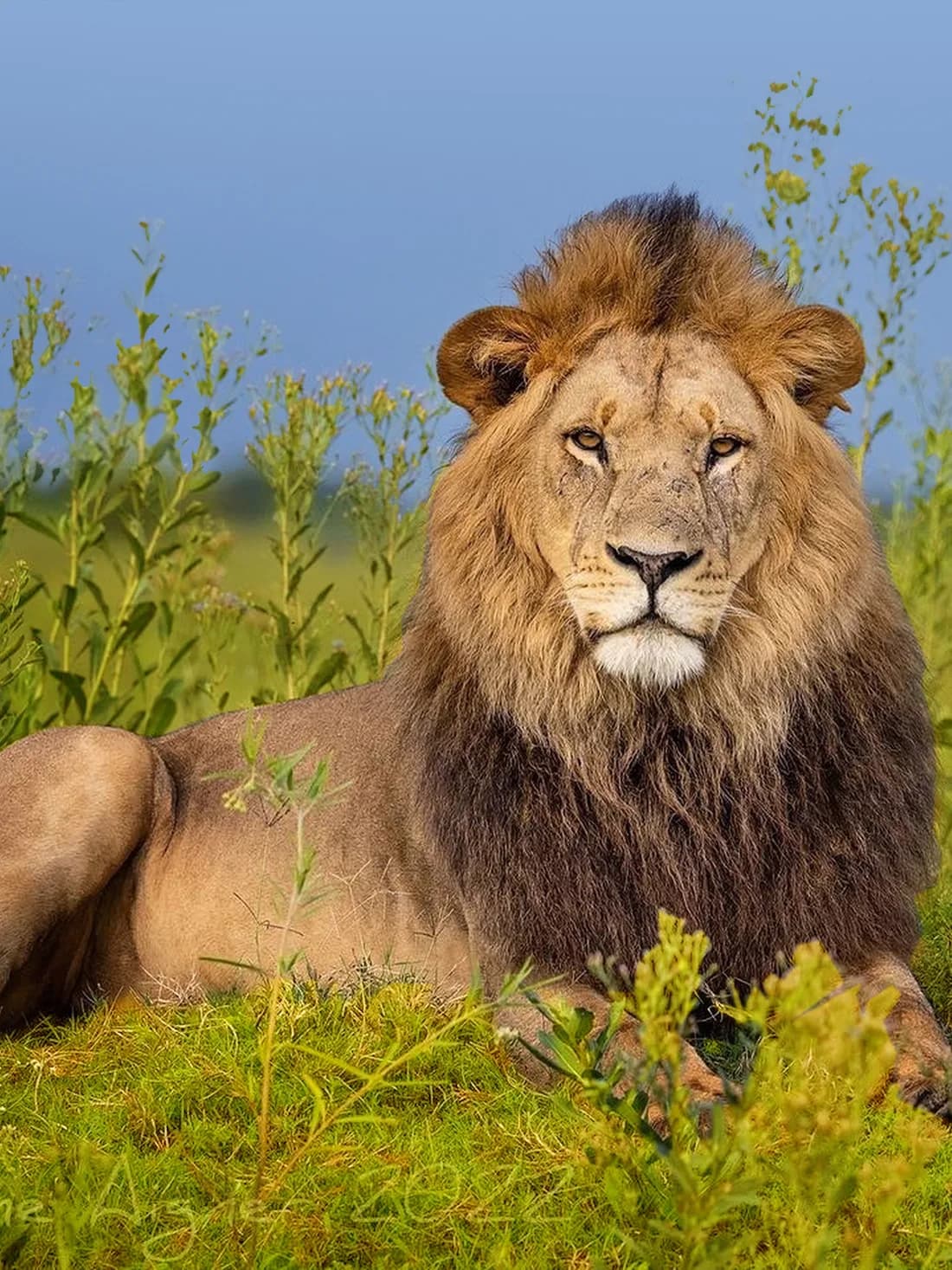
At the start of the year, the Great Migration gathers on the short-grass plains of the southern Serengeti and the Ndutu area. This is calving season, when more than 400,000 wildebeest calves are born in a matter of weeks. The plains are green, the herds are enormous, and the predator action is at its peak — lions, cheetahs, and hyenas follow the herds closely, waiting for an easy meal.
For photographers and anyone fascinated by predator-prey drama, this is arguably the most exciting time of year. February in particular offers front-row seats to nature at its most raw. The weather is warm with occasional short rains, and the light after an afternoon shower is magical.
April and May: The Green Season
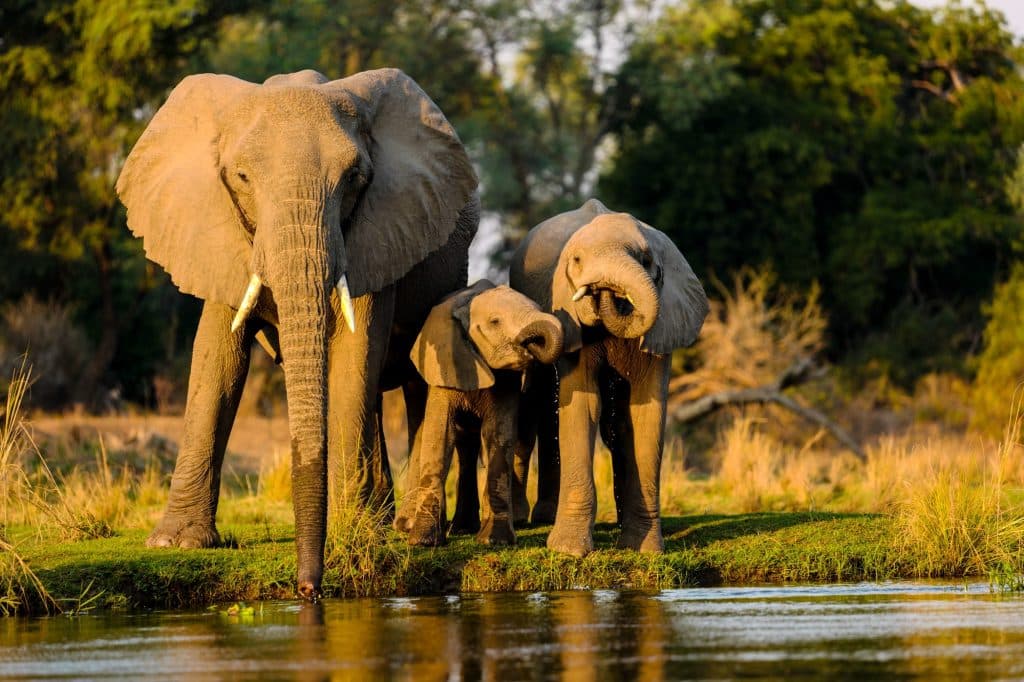
The long rains arrive in April and May, and many travellers skip these months. That is exactly why we love them. The Serengeti is at its most beautiful — lush, dramatic skies, waterfalls of light through the clouds — and lodges drop their rates significantly. Game viewing remains excellent because the Serengeti's resident wildlife does not migrate; lion prides, elephants, giraffes, and leopards stay in their territories year-round.
Yes, some afternoons bring rain, and some black-cotton roads get muddy. But if you want the Serengeti almost to yourself at the best prices of the year, the green season is a genuine insider's choice.
June to July: The Migration Moves North
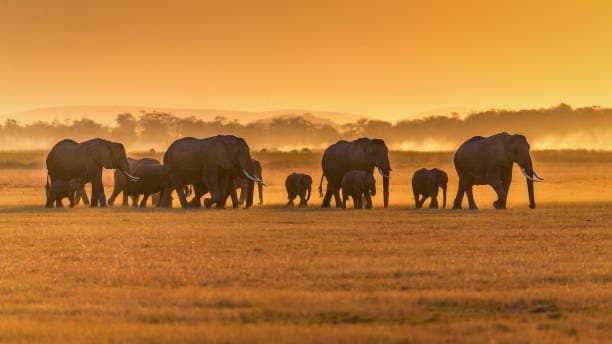
As the plains dry out, the herds begin their long march north and west. June often brings spectacular crossings of the Grumeti River, while by July the front of the migration reaches the northern Serengeti and the famous Mara River. The weather is dry, cool, and comfortable — many consider this the perfect balance of great weather and great wildlife.
August to October: River Crossing Season
This is the classic safari season, and for good reason. The Mara River crossings in the northern Serengeti are one of the most dramatic wildlife spectacles on Earth: thousands of wildebeest plunging down steep banks into crocodile-filled water. Nothing prepares you for the noise, the dust, and the chaos of a big crossing.
Because this is peak season, the north gets busy and lodges book out months in advance. If a river crossing is on your bucket list, plan at least six to nine months ahead and build in two or three days in the northern Serengeti — crossings happen on the herds' schedule, not ours.
November and December: The Short Rains and the Return South
The short rains green the plains again and the herds swing south through the eastern Serengeti toward Ndutu. This shoulder season offers a lovely compromise: fewer visitors than peak season, fresh landscapes, resident big cats, and newborn gazelles and impalas everywhere. By late December the migration is back on the southern plains, and the cycle begins again.
So When Should You Go?
If you want river crossings, come between August and October. For calving season and big-cat action, choose late January to early March. For value and solitude, the green season of April and May is unbeatable. And if you simply want a superb all-round safari, June and July rarely disappoint.
Whenever you travel, the Serengeti rewards those who stay longer. Three nights is a minimum; four or five let you follow the wildlife rather than the clock. Talk to our team and we will build your safari around the season — and the spectacle — that fits you best.