After years of welcoming travellers to Tanzania, we have seen every packing mistake there is: hard suitcases that will not fit in the safari vehicle, bright white outfits that scare off wildlife and show every speck of dust, and bags heavy enough to need their own seat. Packing for safari is easier than most people think — the trick is packing light and packing right. Here is our tested list.
The Golden Rules
First, use a soft duffel bag, not a hard suitcase. Space in 4x4 vehicles and on domestic flights is tight, and internal flights to parks like Ruaha or the Serengeti airstrips typically enforce a 15 kg limit in soft bags.
Second, think neutral colours: khaki, olive, tan, brown, and grey. Bright colours and white stand out to wildlife and show dirt instantly. Avoid dark blue and black, which attract tsetse flies in some areas. And leave camouflage at home — military-pattern clothing is prohibited for civilians in Tanzania.
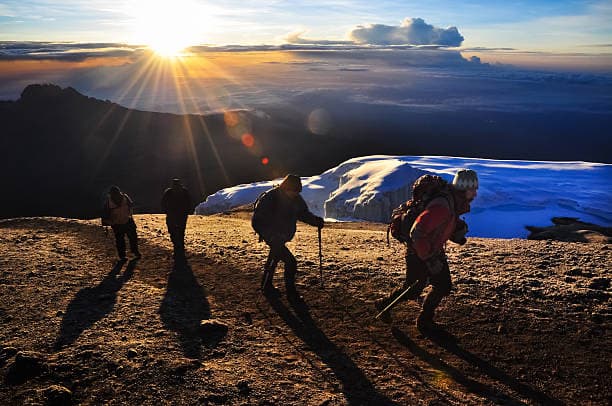
Third, layers beat bulk. Safari mornings start surprisingly cold — game drives at dawn in an open vehicle can feel close to freezing in June and July, especially around the Ngorongoro highlands — yet by midday you will be in short sleeves.
Clothing Checklist
Three or four short-sleeved shirts or t-shirts, two long-sleeved shirts for sun and mosquito protection, two pairs of lightweight trousers, one pair of shorts, a warm fleece or down jacket, a light rain jacket, a wide-brimmed hat, comfortable closed walking shoes, sandals for camp, and enough underwear and socks for four or five days — most lodges and camps offer same-day laundry, which is exactly why you can pack so light.
If you are adding Zanzibar to your safari, throw in swimwear and one modest outfit that covers shoulders and knees for visiting Stone Town, out of respect for local culture.
The Gear That Earns Its Place
Binoculars are the single most underrated item on this list — one pair per person, ideally 8x42 or 10x42. Your guide will spot a leopard 200 metres away in a sausage tree; binoculars are the difference between seeing a spotted shape and watching her yawn.
Bring a camera with your longest lens, spare batteries, and double the memory cards you think you need. A power bank keeps phones alive on long game-drive days, and a universal adapter (Tanzania uses UK-style Type G sockets) keeps everything charging at the lodge.
A small daypack, a reusable water bottle, sunglasses, and a headlamp for unlit camp paths round out the essentials.
Health and Sun Protection
Pack a high-SPF sunscreen, lip balm with SPF, and insect repellent containing DEET or icaridin. Bring your personal medications in original packaging, plus a small kit with painkillers, plasters, antihistamines, and rehydration salts. Consult your travel clinic about malaria prophylaxis and yellow fever requirements well before departure — many travellers need vaccinations several weeks in advance.
What to Leave Behind
Hair dryers (lodges have them or you will not care), more than two pairs of shoes, jeans (heavy, slow to dry), expensive jewellery, and drones — flying drones in Tanzania's national parks is illegal without permits that are rarely granted to tourists.
The One Thing Everyone Forgets
Cash in small denominations. US dollars printed within the last few years are accepted everywhere for tips, curios, and village visits, and small bills make everything easier. Budget for tipping your guide and camp staff — it is customary and deeply appreciated.
Pack light, pack neutral, and remember: the best safari souvenirs take up no luggage space at all. Everything you truly need fits in one soft bag — the Serengeti provides the rest.