The term Big Five was coined by hunters a century ago for the five most dangerous animals to pursue on foot: lion, leopard, elephant, buffalo, and rhinoceros. Today the phrase belongs to photographers and safari-goers, and Tanzania remains one of the very few countries where completing the set is genuinely possible — sometimes in a single day. Here is where to find each of the five, and how the best guides do it.
Lion: The Easy One (in the Right Places)
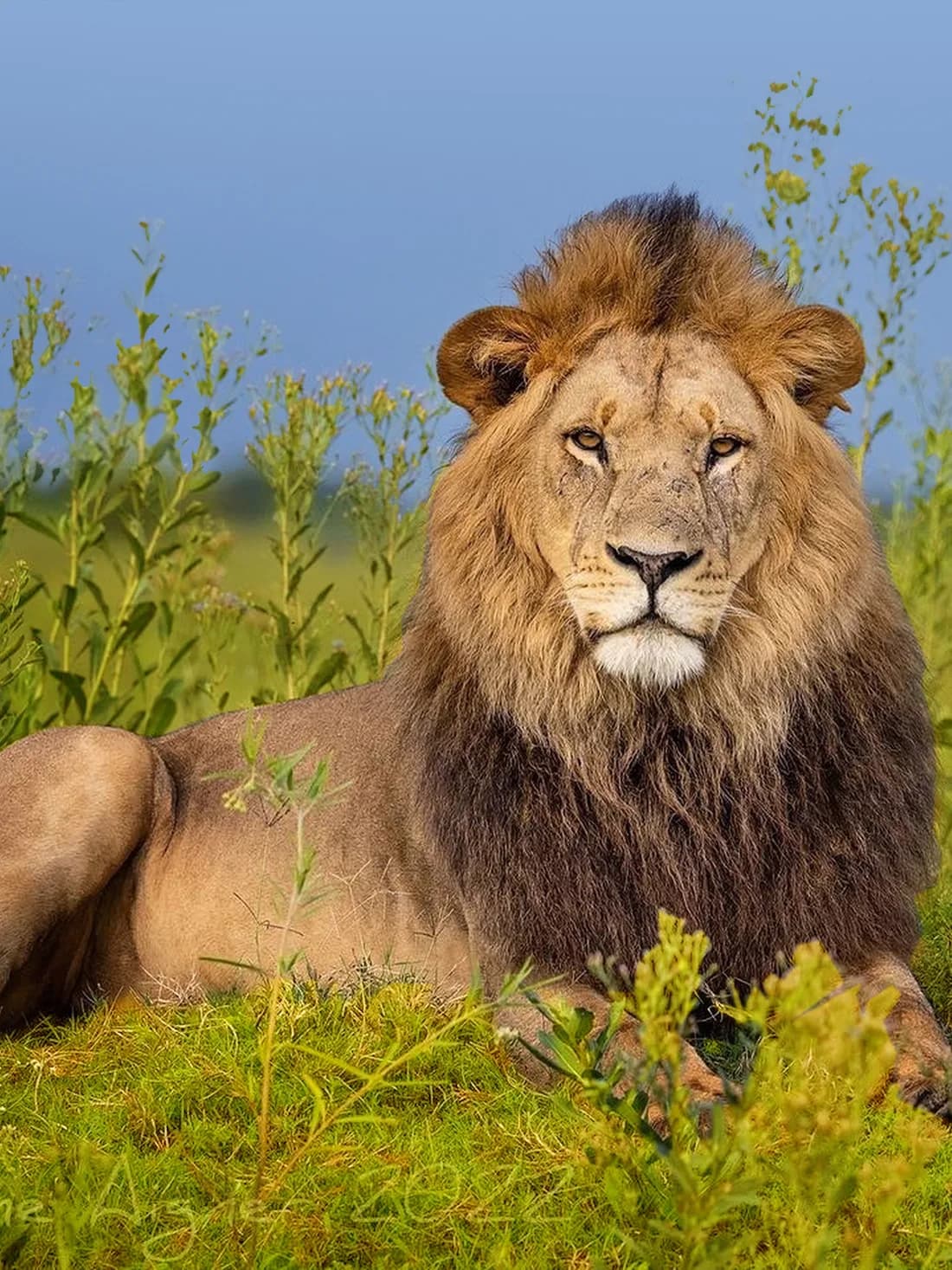
Tanzania holds more wild lions than any other country on Earth — roughly a third of the global population. In the Serengeti, prides lounge on kopjes (granite outcrops that hold the day's warmth) and shade under sausage trees; in the Ngorongoro Crater, lion density is among the highest anywhere. For something unusual, Lake Manyara and Tarangire are known for lions that climb trees, draping themselves over branches like enormous house cats.
Guide's tip: listen. Roars carry up to eight kilometres at dawn, and alarmed zebra barks or staring, statue-still impala often point straight at a hidden cat.
Leopard: The Beautiful Ghost
Every safari-goer wants a leopard; leopards have not been consulted. Solitary and superbly camouflaged, they spend their days flattened along high branches. The Seronera Valley in the central Serengeti is arguably the best place in Africa for leopard sightings — scan the big riverside trees for a dangling tail or a carcass wedged in a fork, the classic leopard giveaways.
Patience wins here. A good guide will return to a promising tree at golden hour, when leopards stretch, descend, and begin to hunt.
Elephant: The Giants of Tarangire
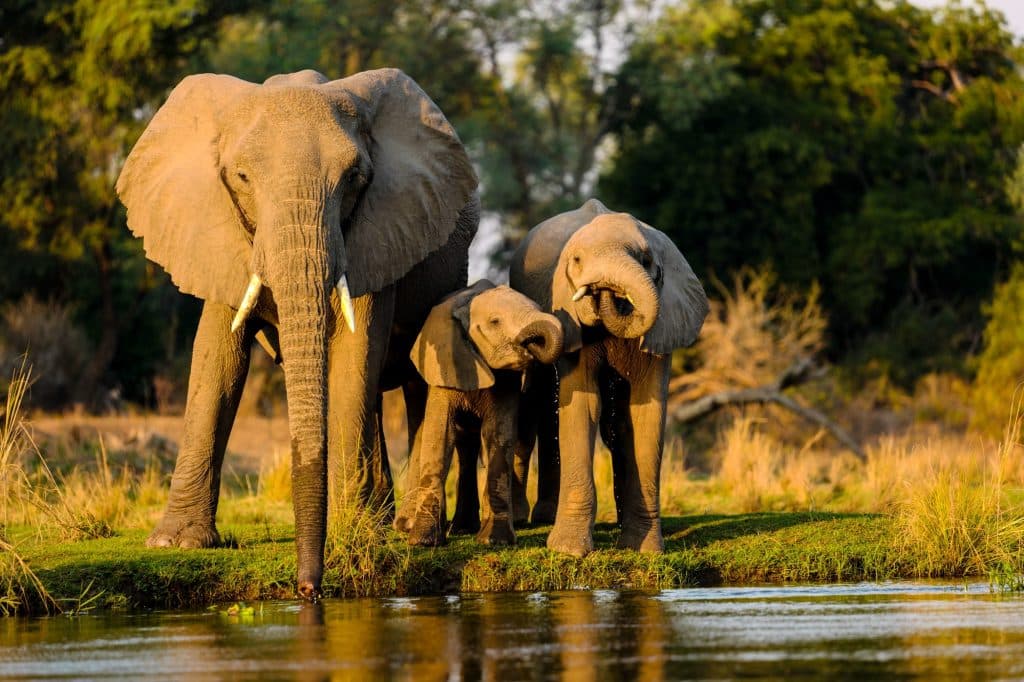
You will see elephants in most Tanzanian parks, but Tarangire is their kingdom: herds several hundred strong gather along the Tarangire River in the dry season, digging wells in the sand with trunks and feet while ancient baobabs stand witness. Ruaha, in the south, holds East Africa's largest elephant population for travellers who like their wilderness raw and crowd-free.
Watching a breeding herd protect a wobbly newborn, or two young bulls sparring in a dust cloud, is safari theatre no documentary can match.
Buffalo: Underrated and Everywhere
Cape buffalo are often ticked off quickly and forgotten, which does them a disservice. A breeding herd a thousand strong moving through the Serengeti raises dust like an army; the old bachelor bulls — nicknamed dagga boys for their love of mud — glare from wallows with the weary menace that made hunters fear them above all others. Katavi, in the far west, hosts some of the largest buffalo herds in Africa for the truly adventurous.
Rhino: The Precious Few
Black rhinos were poached to the brink across East Africa, and seeing one in Tanzania is a privilege. Your best chance by far is the Ngorongoro Crater, where a small, heavily protected population lives on the open crater floor — scan the grassland at distance in early morning, before the day heats up and they retreat to cover. The Moru Kopjes area of the southern Serengeti also shelters a protected population.
If you see a rhino, thank the rangers. Every sighting represents decades of dangerous, dedicated conservation work.
Building a Big Five Itinerary
The classic route stacks the odds in your favour: Tarangire for elephants and buffalo, the central Serengeti for lions and leopards, and the Ngorongoro Crater for rhino — with second chances at everything along the way. Five to seven days makes the full set realistic without rushing.
One final thought from our guides: the travellers who enjoy safari most are the ones who stop counting. The Big Five is a wonderful excuse for an adventure — but the wild dogs, the cheetah hunts, the dawn balloon rides, and ten thousand flamingos rising off a soda lake are not on the list, and they may be the moments you remember longest.