Three million years ago, a volcano the size of Kilimanjaro exploded and collapsed in on itself, leaving behind a bowl 600 metres deep and 260 square kilometres wide. Today that bowl holds one of the densest concentrations of wildlife anywhere on the planet. Locals and travellers alike call the Ngorongoro Crater the Eighth Wonder of the World, and after one morning on the crater floor, you will understand why.
A Natural Amphitheatre Like No Other
The magic of Ngorongoro starts before you even descend. From the forested crater rim, more than two kilometres above sea level, you look down on an entire ecosystem in miniature: golden grasslands, a soda lake flushed pink with flamingos, swamps, acacia woodland, and dust trails of animal herds moving like brushstrokes far below.
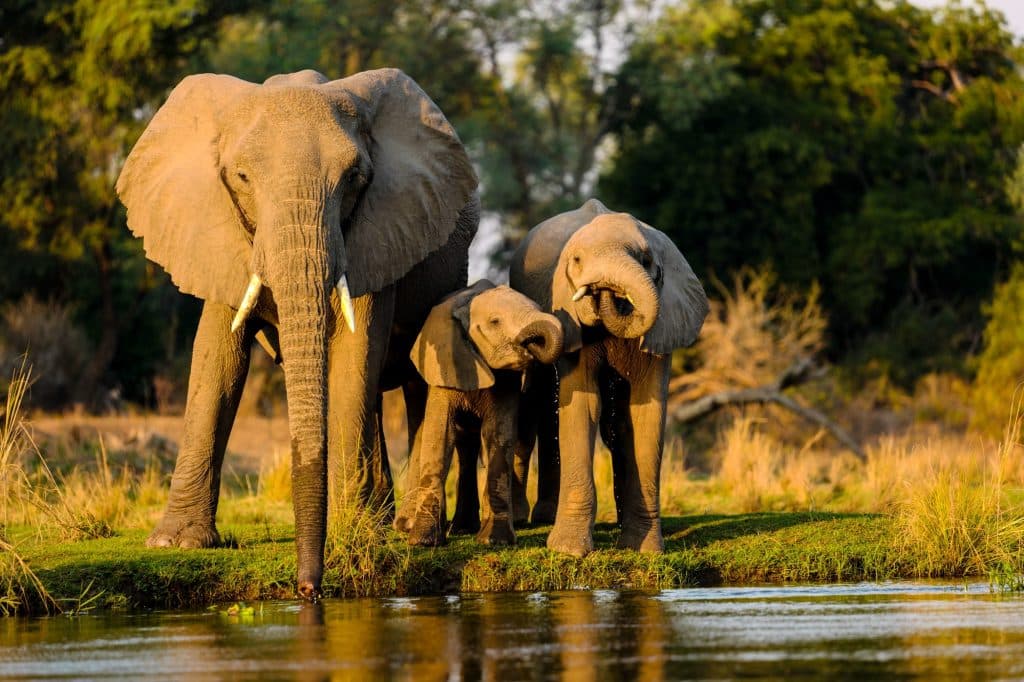
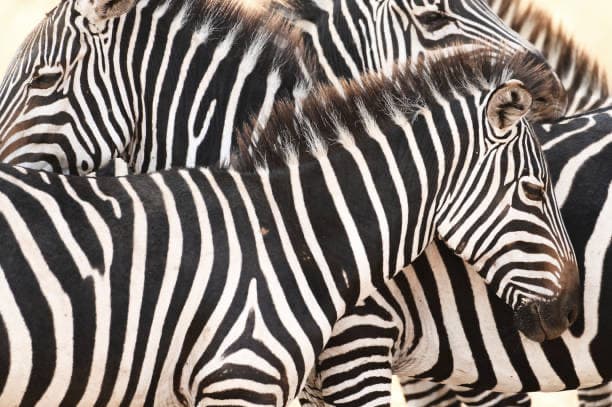
The descent road drops 600 metres through ancient forest, and within minutes of reaching the floor you are surrounded. Zebra and wildebeest graze beside the track. Hyenas lope past on patrol. Old bull elephants — some carrying the largest tusks left in Africa — feed in the Lerai Forest.
The Big Five in a Single Day
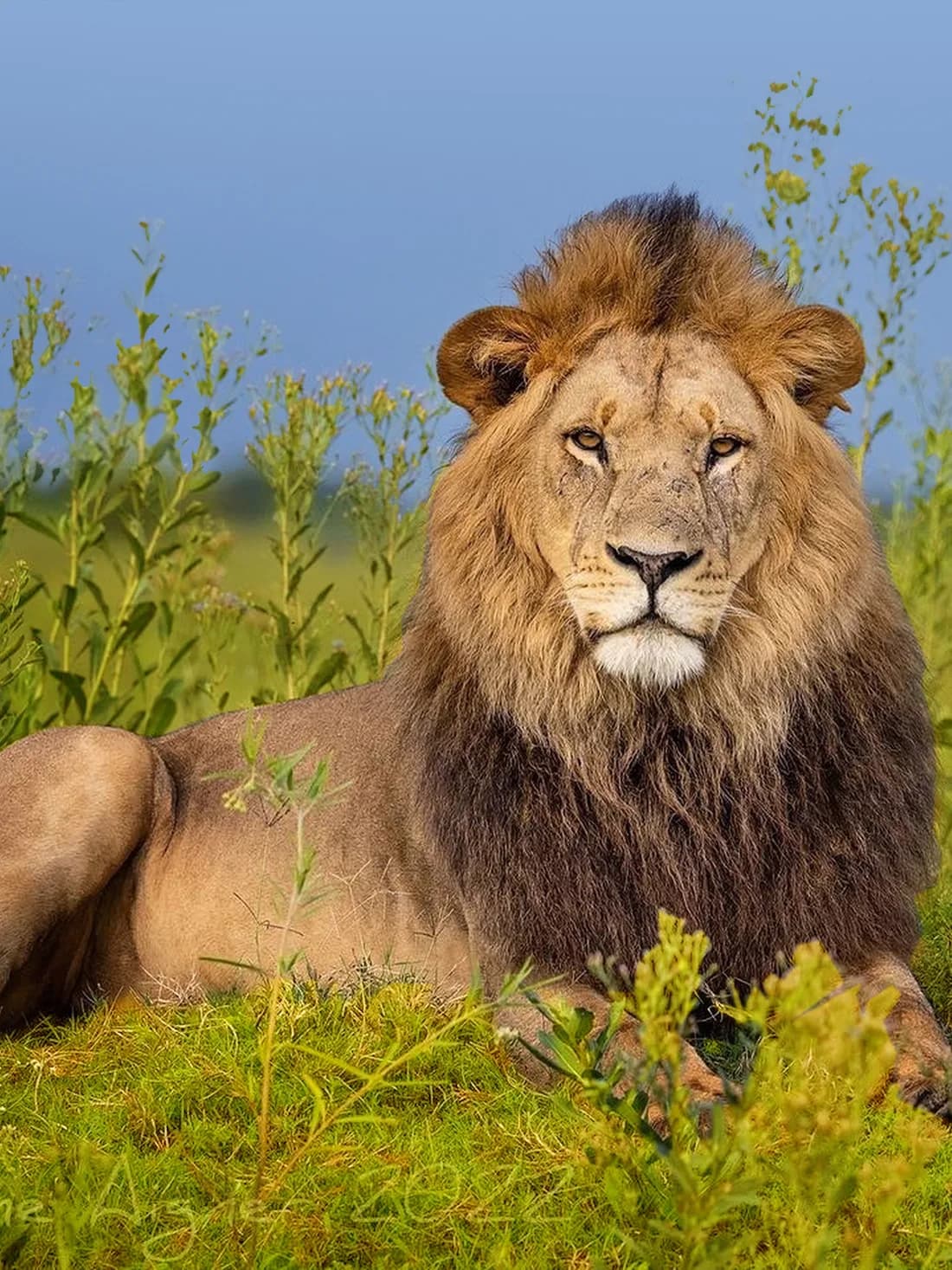
Ngorongoro is one of the very few places in Africa where seeing the Big Five — lion, leopard, elephant, buffalo, and rhino — in one day is a realistic possibility. The crater supports one of the highest densities of lions anywhere, and its population of black rhinoceros is the most reliably seen in Tanzania. Roughly 25,000 large animals live on the crater floor year-round; because the walls provide water and grazing in every season, most residents never leave.
For visitors this means extraordinary, almost guaranteed game viewing. Even on a quiet day, the crater delivers sightings that would count as highlights anywhere else.
More Than Wildlife: A Living Cultural Landscape
The Ngorongoro Conservation Area is unique in Tanzania because people live here too. Maasai communities graze their cattle across the highlands as they have for generations, and it is not unusual to see a red-robed herder sharing a hillside with zebra and gazelle. Cultural visits to a Maasai boma can be arranged, offering a respectful window into a way of life that has coexisted with wildlife for centuries.
Nearby, Olduvai Gorge — the famous archaeological site where the Leakeys uncovered some of humanity's earliest ancestors — makes a fascinating stop between the crater and the Serengeti. Standing where hominids walked nearly two million years ago adds a humbling dimension to any safari.
Practical Tips for Your Crater Day
Start early. The gates open at dawn, and the first hours on the crater floor are the best — soft light, active predators, and fewer vehicles. Most game drives run five to six hours, and a picnic breakfast or lunch by the hippo pool at Ngoitokitok Springs is a Ngorongoro tradition (guard your sandwiches from the black kites!).
Bring layers. The rim sits above 2,300 metres, and mornings are genuinely cold, often shrouded in mist. By midday on the crater floor you will be in shirtsleeves.
Combine it wisely. The crater pairs perfectly with the Serengeti and Tarangire on a northern circuit safari. One full day in the crater is enough for most travellers; two allows a slower pace and better rhino odds.
When to Go
The crater offers superb game viewing every month of the year. June to September brings dry weather and easy spotting; November to April is greener, quieter, and beautiful for photography. Because the animals rarely leave, there is no bad season — only different moods of the same extraordinary place.
However you time it, Ngorongoro belongs on every Tanzania itinerary. Very few places on Earth compress this much life, landscape, and history into a single unforgettable day.